The Overbrained Collective makes the hidden structure visible.
THE OVERBRAINED COLLECTIVE creates books and tools for neurodivergent humans navigating hard classes, high-stakes tests, college and professional school, teaching, parenting, and all the systems that somehow expect you to know the route before anyone has shown you the map.
Written by ND Humans for ND Humans.
Access Is Equity.
FIND YOUR MAP
You do not need everything we make.
You need the map for the thing in front of you.
STUDY & TESTS
Hard classes, hard exams, missing structure.
Course guides, AP, SAT/ACT, GRE, LSAT, MCAT, Praxis, Bar, and literature.
EXPLORE STUDY & TESTS →
TEACHING
The job is hard enough without translating your brain all day too.
Guides and tools for neurodivergent educators doing the work anyway.
EXPLORE TEACHING →
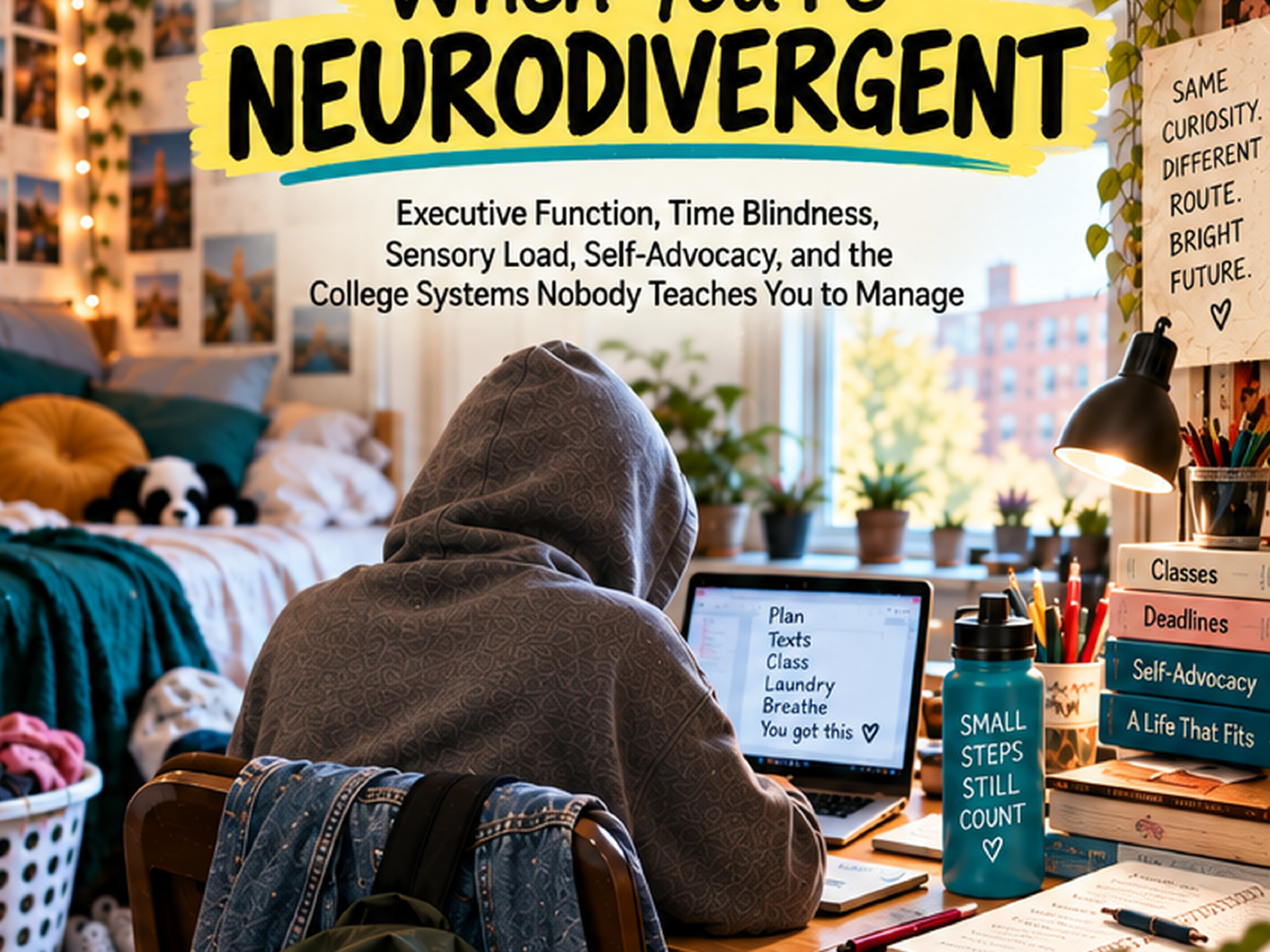
COLLEGE & BEYOND
Nobody hands you the operating manual when the structure disappears.
College, professional school, and the transitions around them.
EXPLORE COLLEGE & BEYOND →
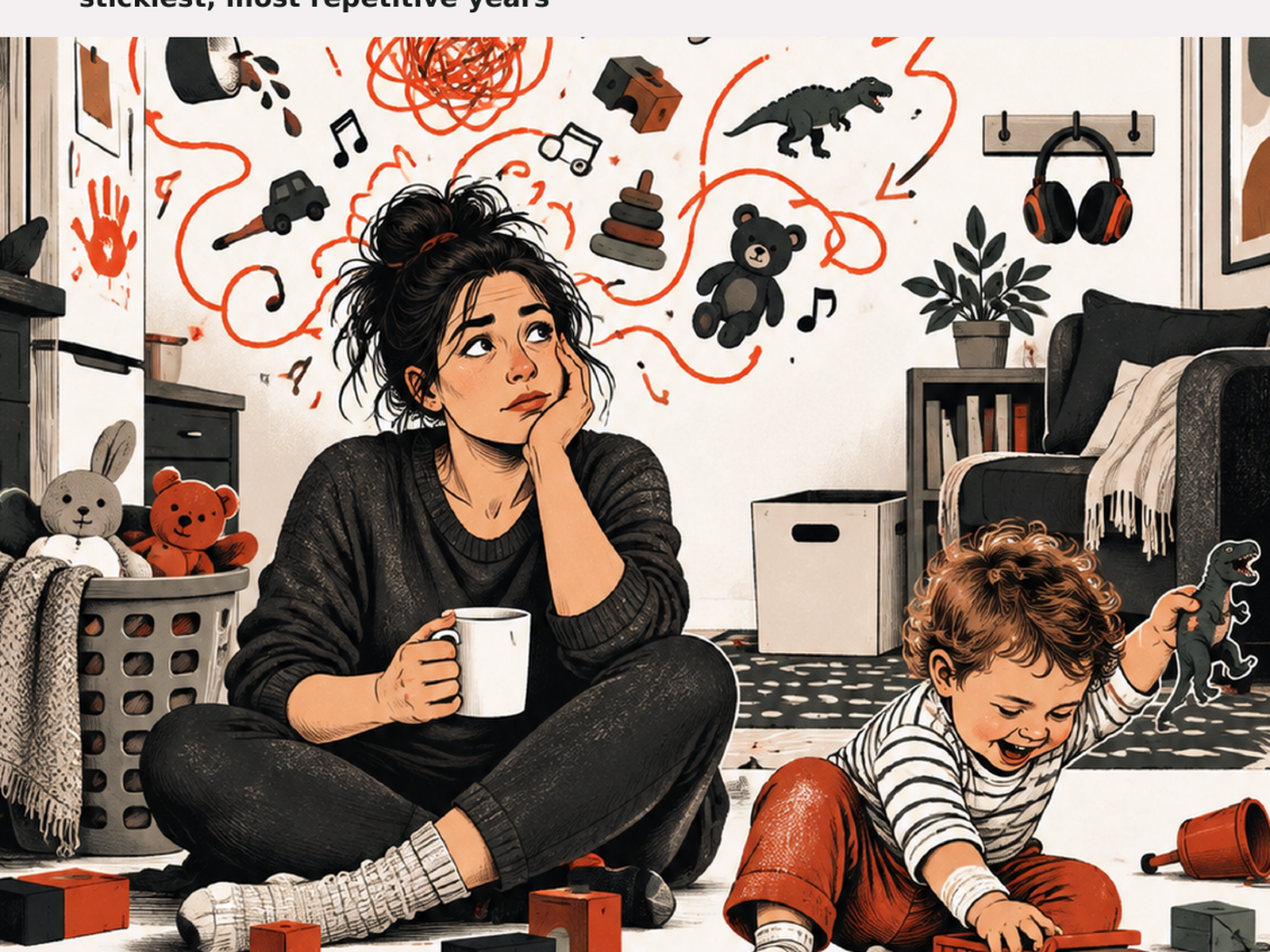
PARENTING
Your child is not the only nervous system in the room.
Books and tools built from inside neurodivergent parenthood.
EXPLORE PARENTING →
FREE TOOLS
Need the map before you need the book? Start here.
Practical downloads, toolkits, parent guides, and resources you can use now.
GET THE FREE TOOLS →
FEATURED FROM THE COLLECTIVE
A few places to start.
Books and tools for the thing in front of you.
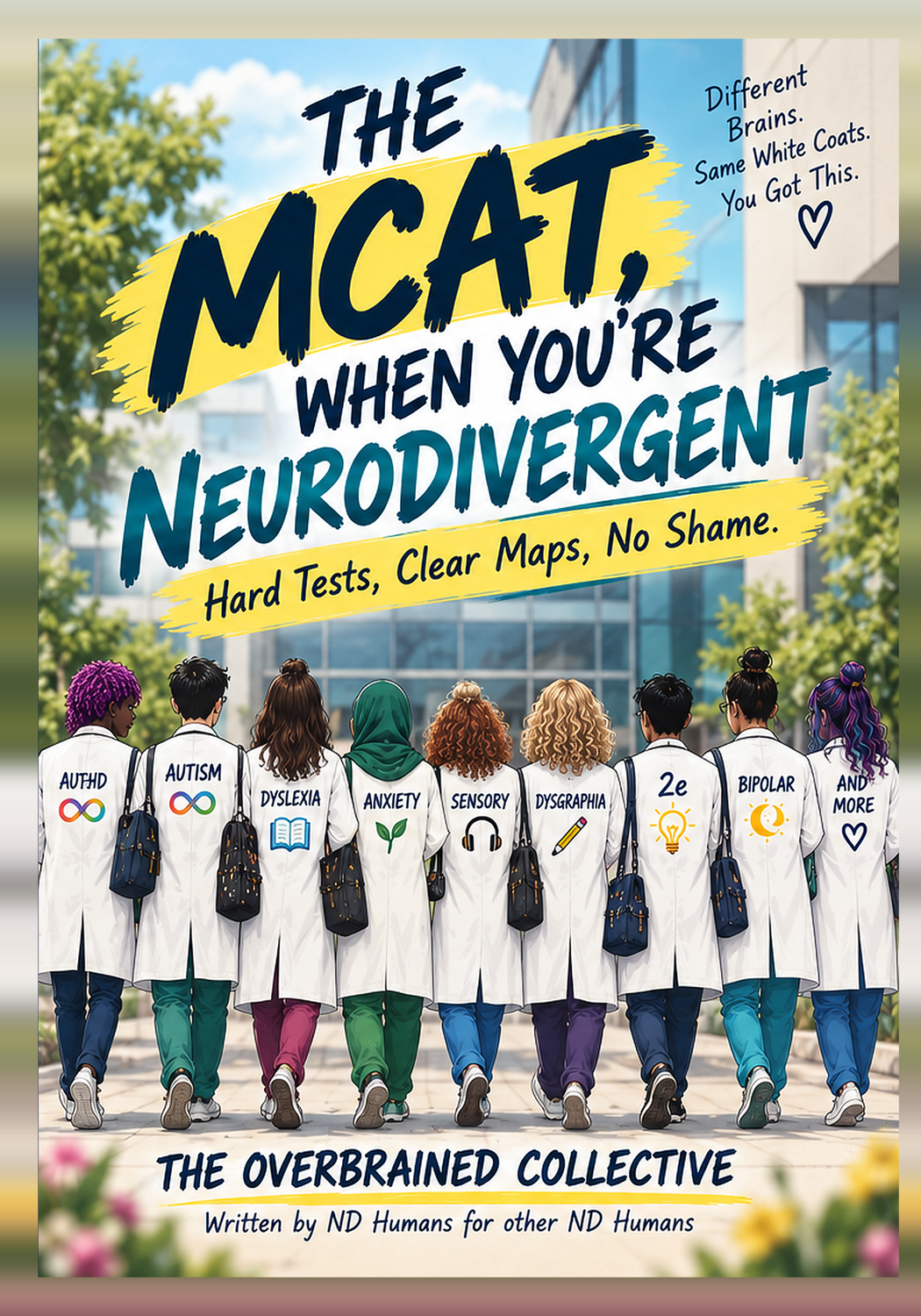
MCAT, When You’re Neurodivergent
You know the science. This book helps you build a game plan for an exam that wasn’t designed around your brain.
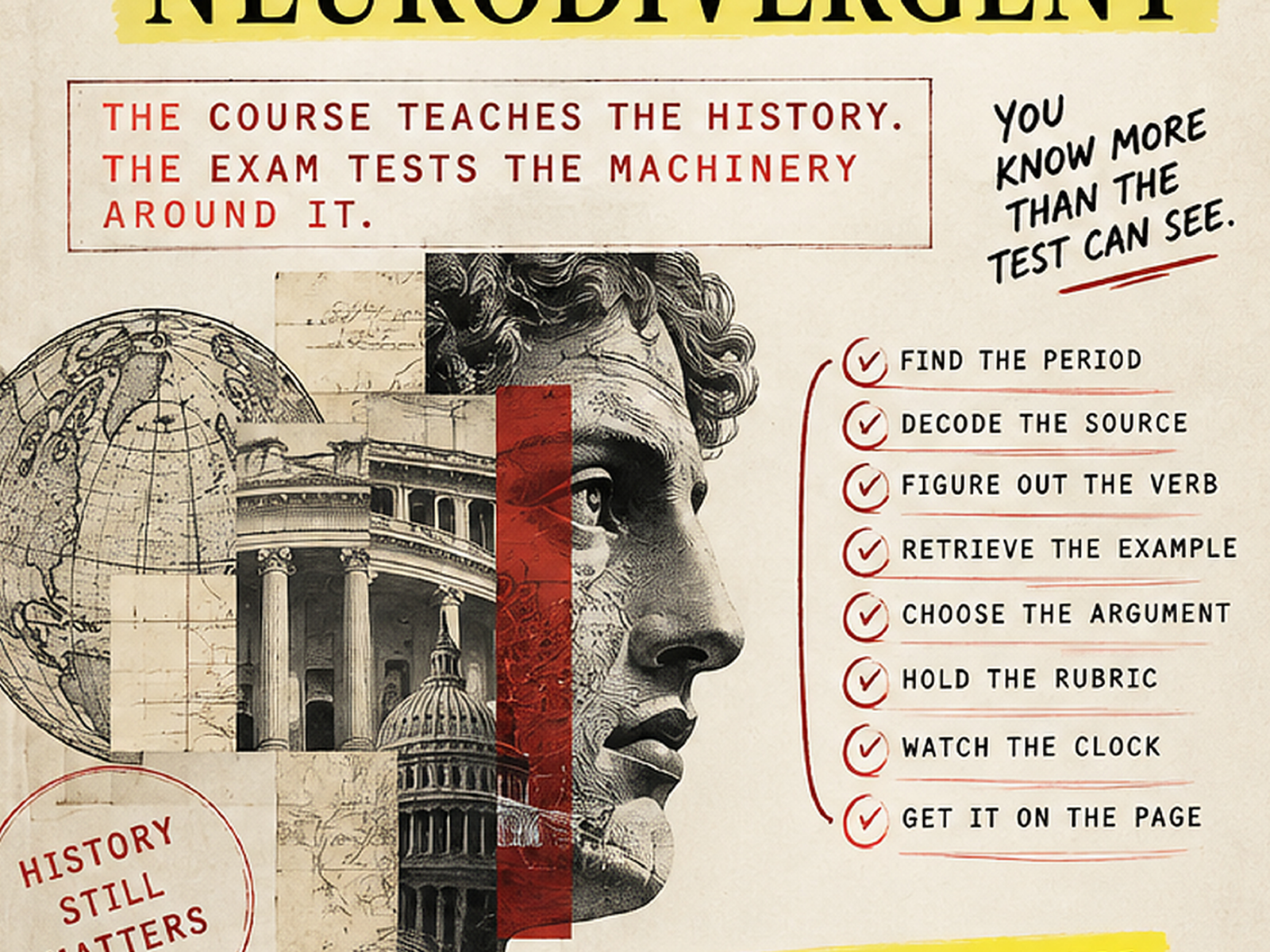
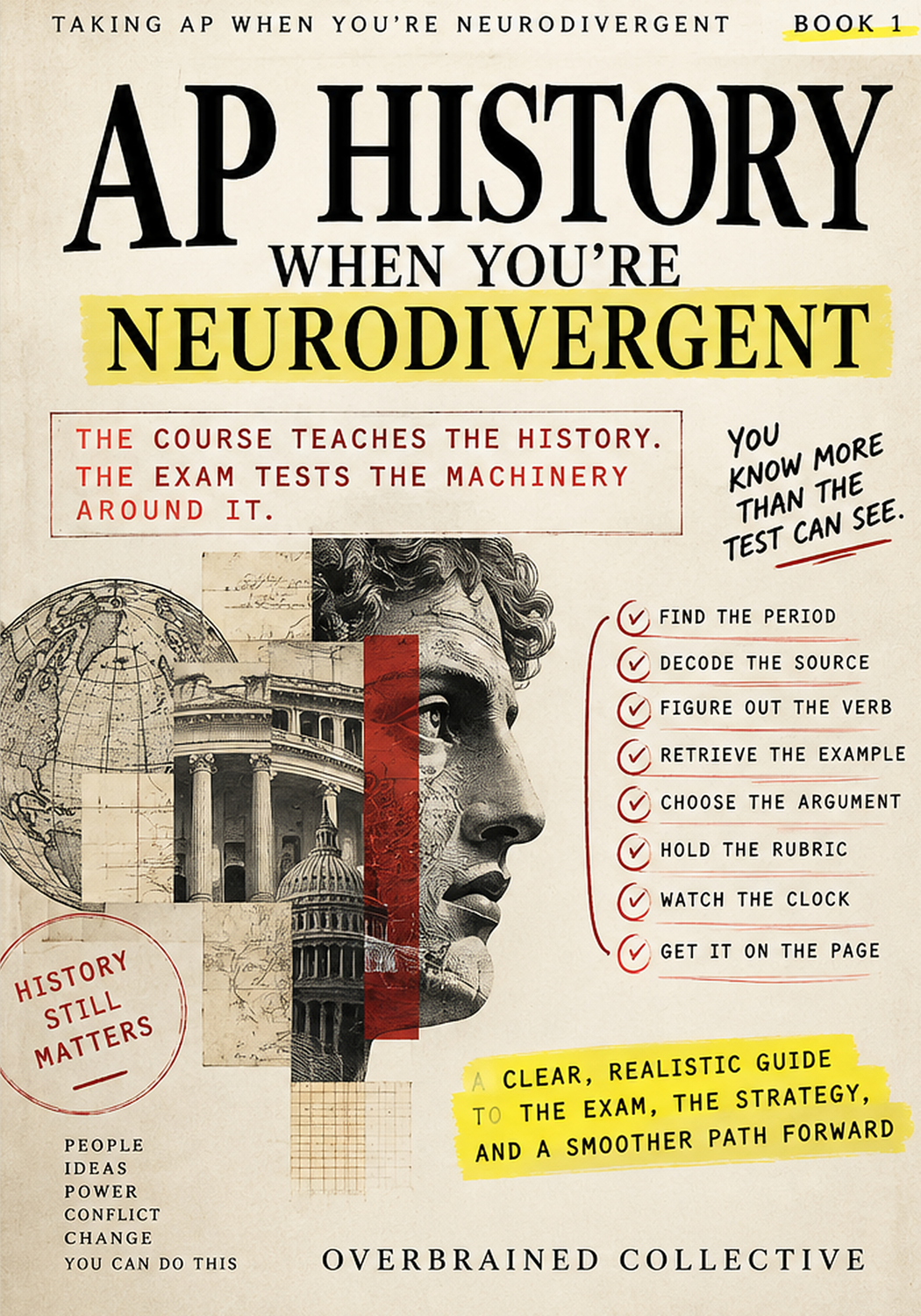
AP History, When You’re Neurodivergent
You know the history. This book maps the route from what you know to what the exam can actually see.
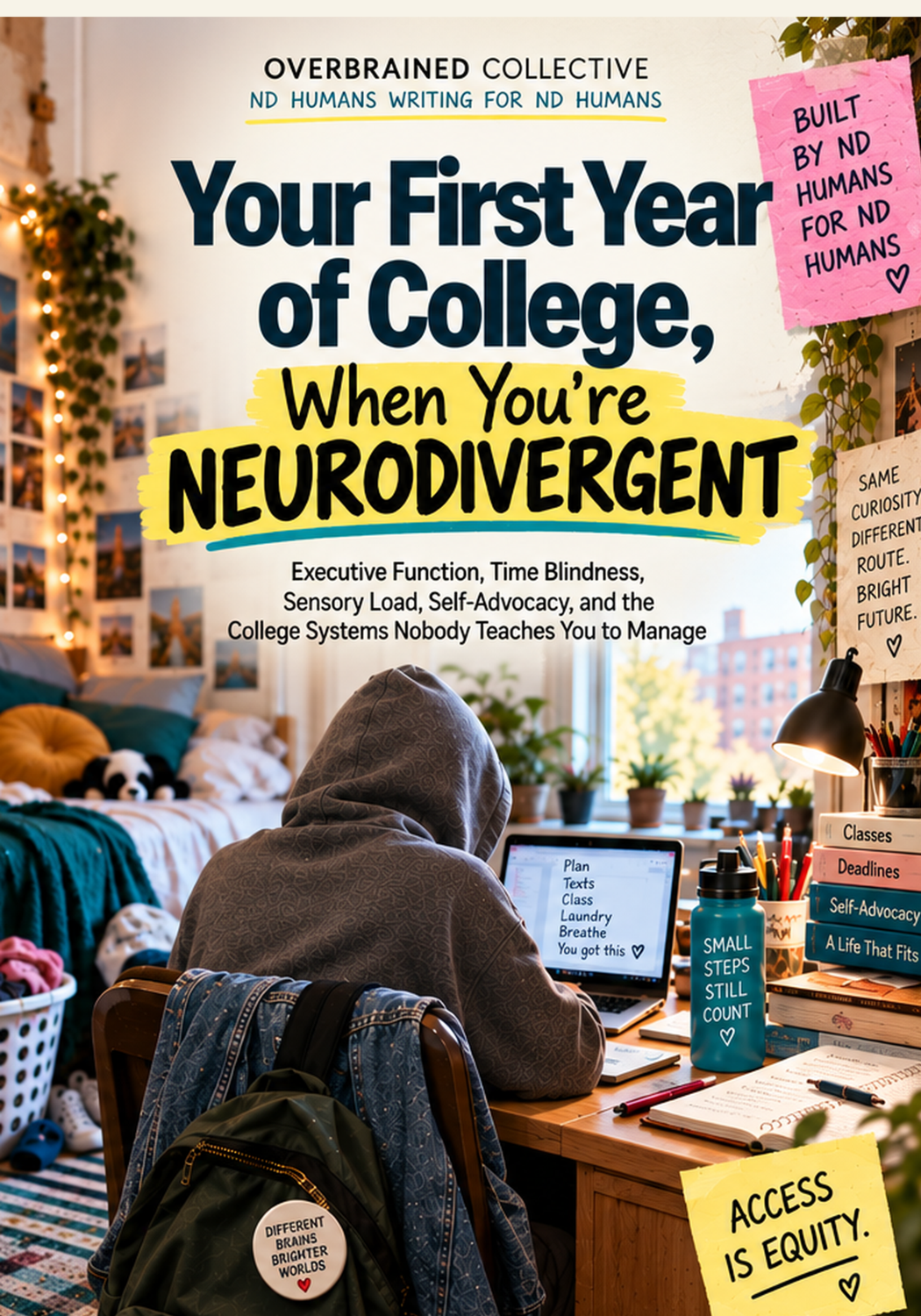
Your First Year of College, When You’re Neurodivergent
Practical systems for the year when everyone suddenly starts calling missing structure “independence.”
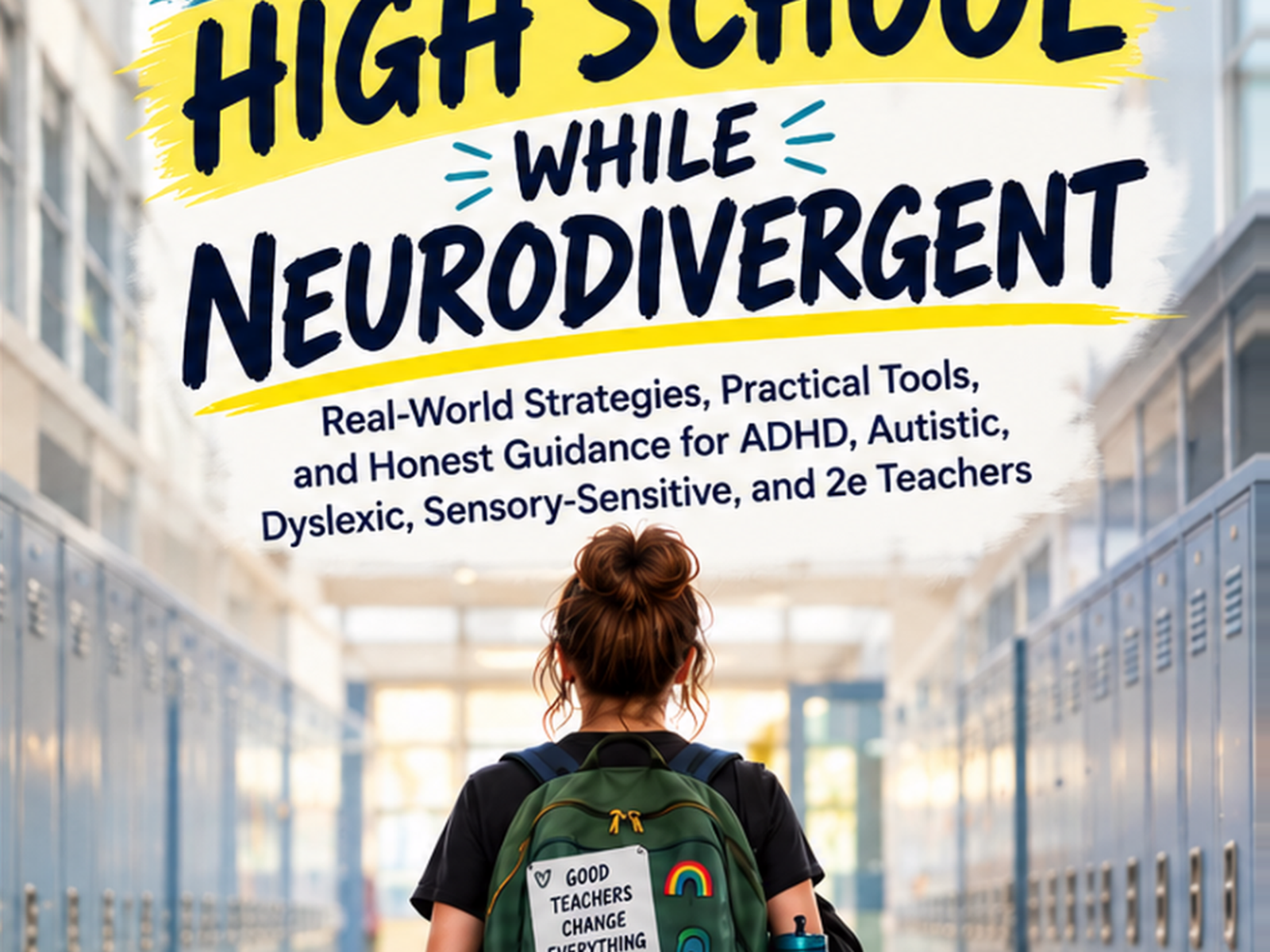
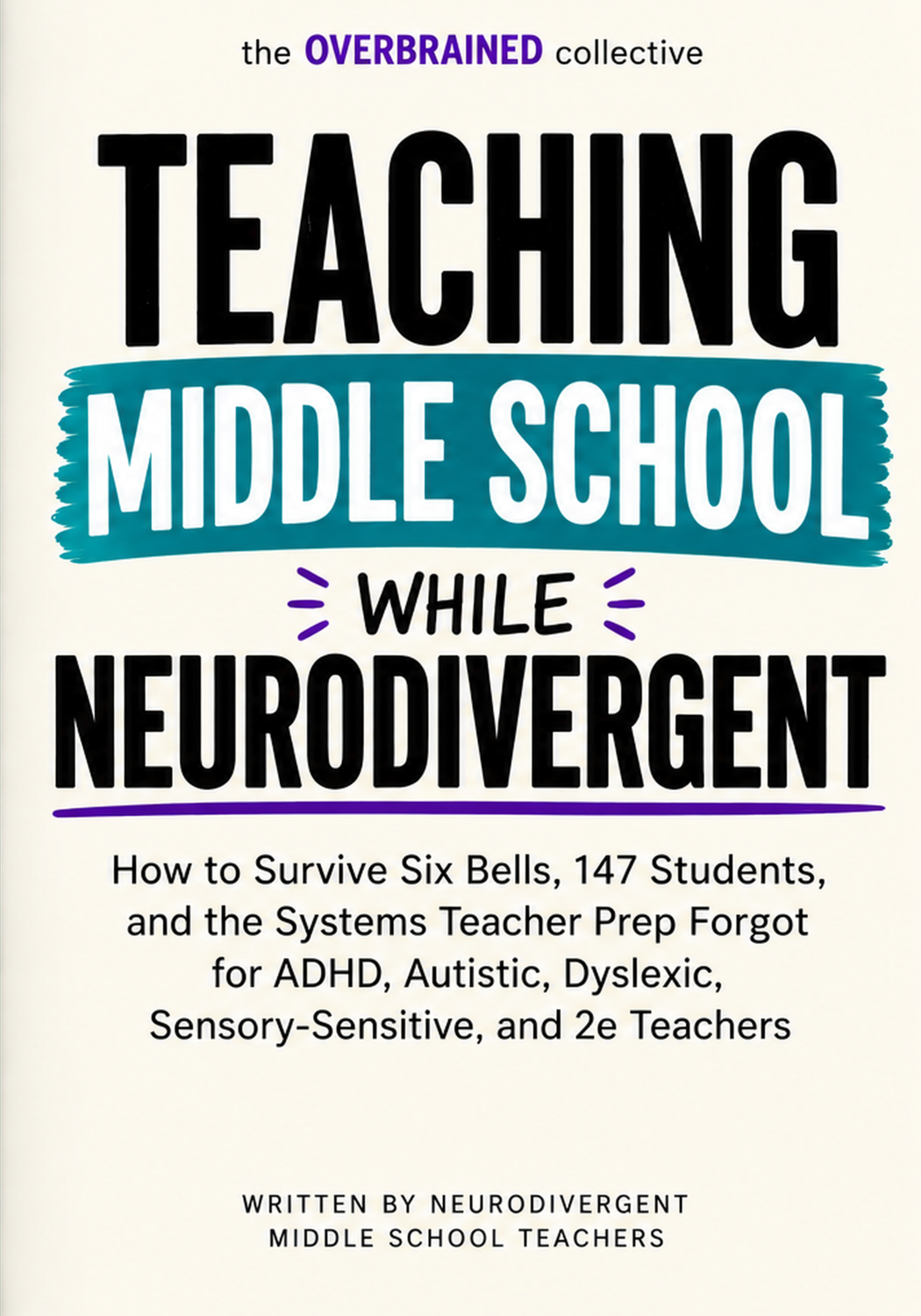
Teaching Middle School While Neurodivergent
Six bells. 147 students. And the systems teacher prep somehow forgot to give you.
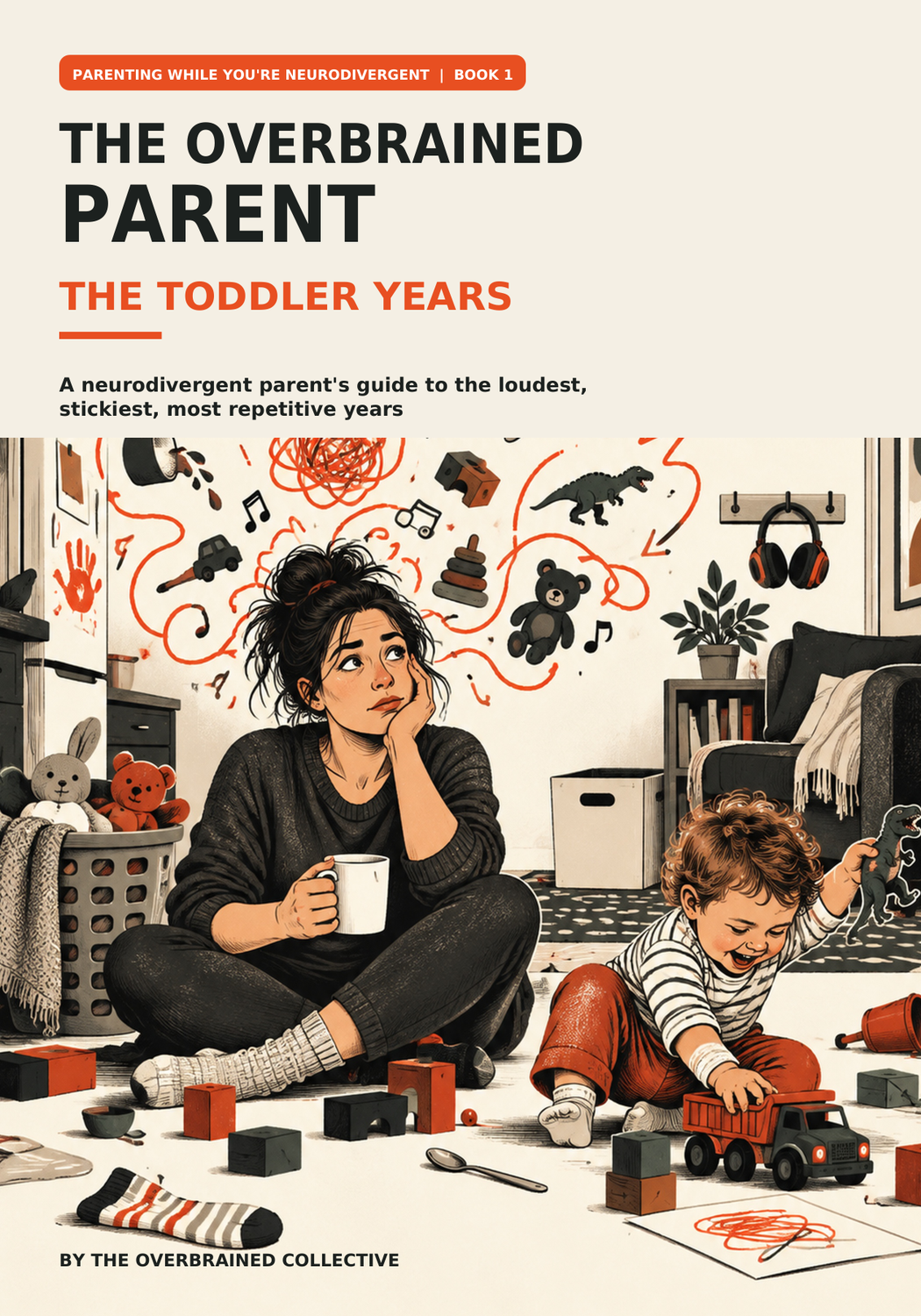
The Overbrained Parent: The Toddler Years
Your toddler is not the only nervous system in the room. Parenting advice should probably start there.
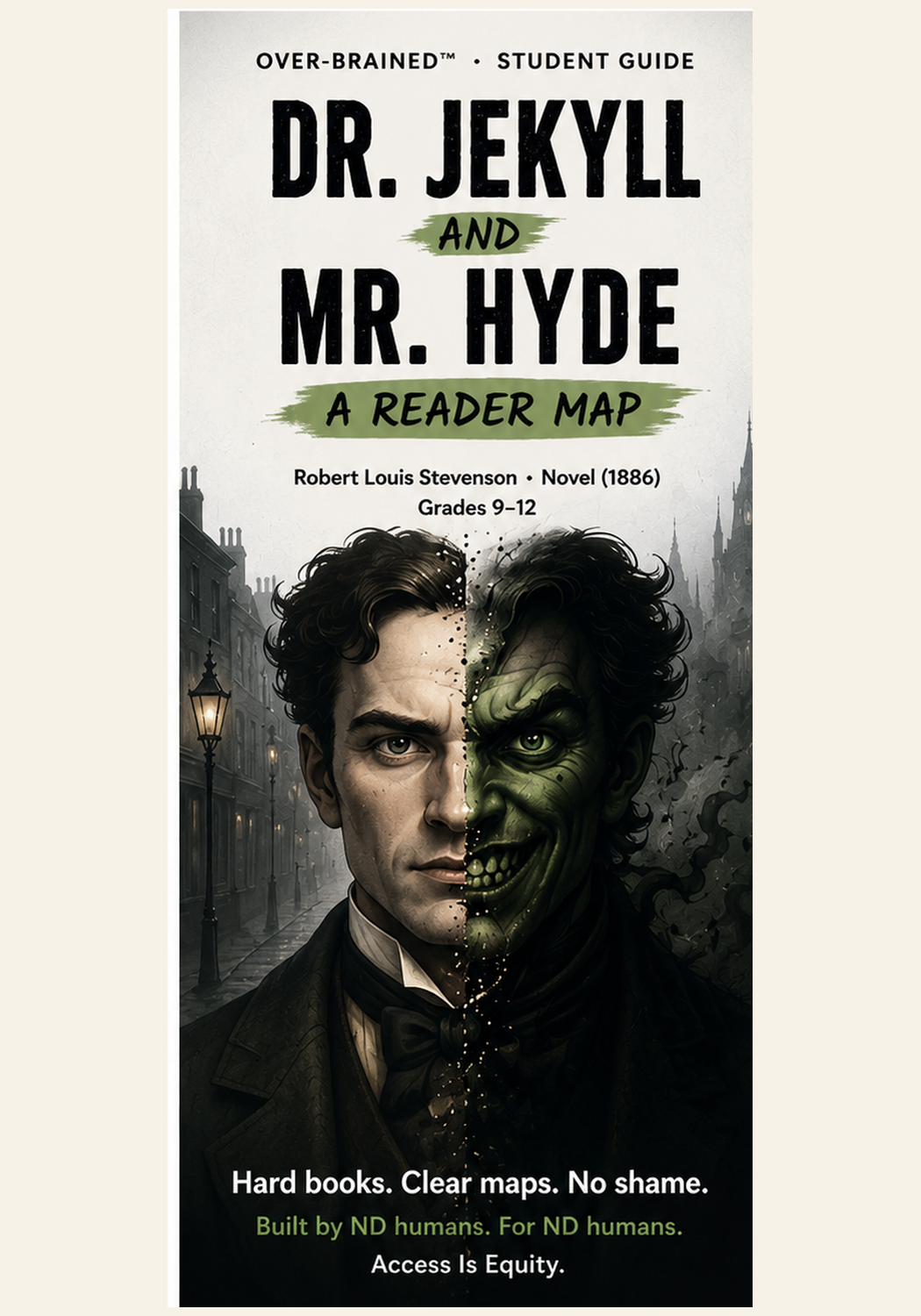
Dr. Jekyll and Mr. Hyde: A Reader Map
The book is hard enough. You shouldn’t also have to reverse-engineer what everyone expects you to notice.
Need the map before you need the book?
You should not have to buy something before you can get unstuck.
Our free tools are built for the moment when you need something practical, specific, and usable now. No motivational wallpaper. No twenty-page lead magnet pretending to be help.
SAT/ACT Toolkit
A practical starting point for choosing the test, understanding accommodations, and figuring out what actually needs your attention.
GET THE TOOLKIT →
AP Toolkit
A clearer way to think about AP workload, exams, retrieval, pacing, and the parts nobody explains until you are already behind.
GET THE TOOLKIT →
Free Parent Literature Guides
What the book is about, what your student may be missing, and how to help without turning English class into another fight.
BROWSE PARENT GUIDES →
College Transition Tools
External structure for the year when the scaffolding disappears and everyone expects you to build it yourself.
GET THE COLLEGE TOOLS →
WE DON’T LOWER THE BAR.
WE SHOW YOU WHERE THE DAMN BAR IS.
Neurodivergent people are constantly handed systems full of invisible rules, missing steps, assumed knowledge, and expectations nobody bothered to name.
Then, when we struggle inside them, the explanation somehow becomes us.
Overbrained starts somewhere else.
We make the hidden part visible: what the test is actually asking, what the professor assumes you already know, what the classroom requires beyond teaching, what parenting advice leaves out, what “independence” quietly expects you to manage all at once.
We are not interested in making hard things fake-easy.
We are interested in making the route clear enough that you can use the brain you actually have.
Same rigor. Better maps. Less shame.
Access Is Equity.
The map changes what the struggle means.
Readers keep telling us some version of the same thing: the problem was not that they could not do the work. They had never been shown the structure around it.
Over-brained makes the invisible work of reading visible. Over-brained dyslexia-friendly literature guides gives students access without lowering the level of thinking.
Beth Hartman, ELA 11th Grade Educator This is the scaffold we wish every student had before they hit the wall. These are worlds apart from study guides. Over-brained has taken assigned reading support and transformed it for ADHD students, autistic students, and students struggling with executive function. These are more then study guides they are maps with; context, structure, teacher expectations, and a way back in when they get lost.
-DPS learning specialist
The Over-brained literature guides for parents helped me stop treating ‘I can’t start’ like refusal. Once I understood what was breaking down, homework stopped turning into a fight.
10th grade Parent “I wish we had found this before spending money on traditional test prep. My child did not need someone telling her to practice more or manage her time better. She needed someone to explain how to take the test with the brain she actually has.”
-Lisa C, 11Th Grade Parent
YOUR BRAIN IS NOT TOO MUCH.
THE MAP WAS MISSING.
You do not need another lecture about trying harder.
You need the structure, language, and tools that make the next thing navigable.
FIND YOUR MAP →
GET THE FREE TOOLS →